
Swiss Tent vs Safari Tent: Which Is Better for Your Resort?
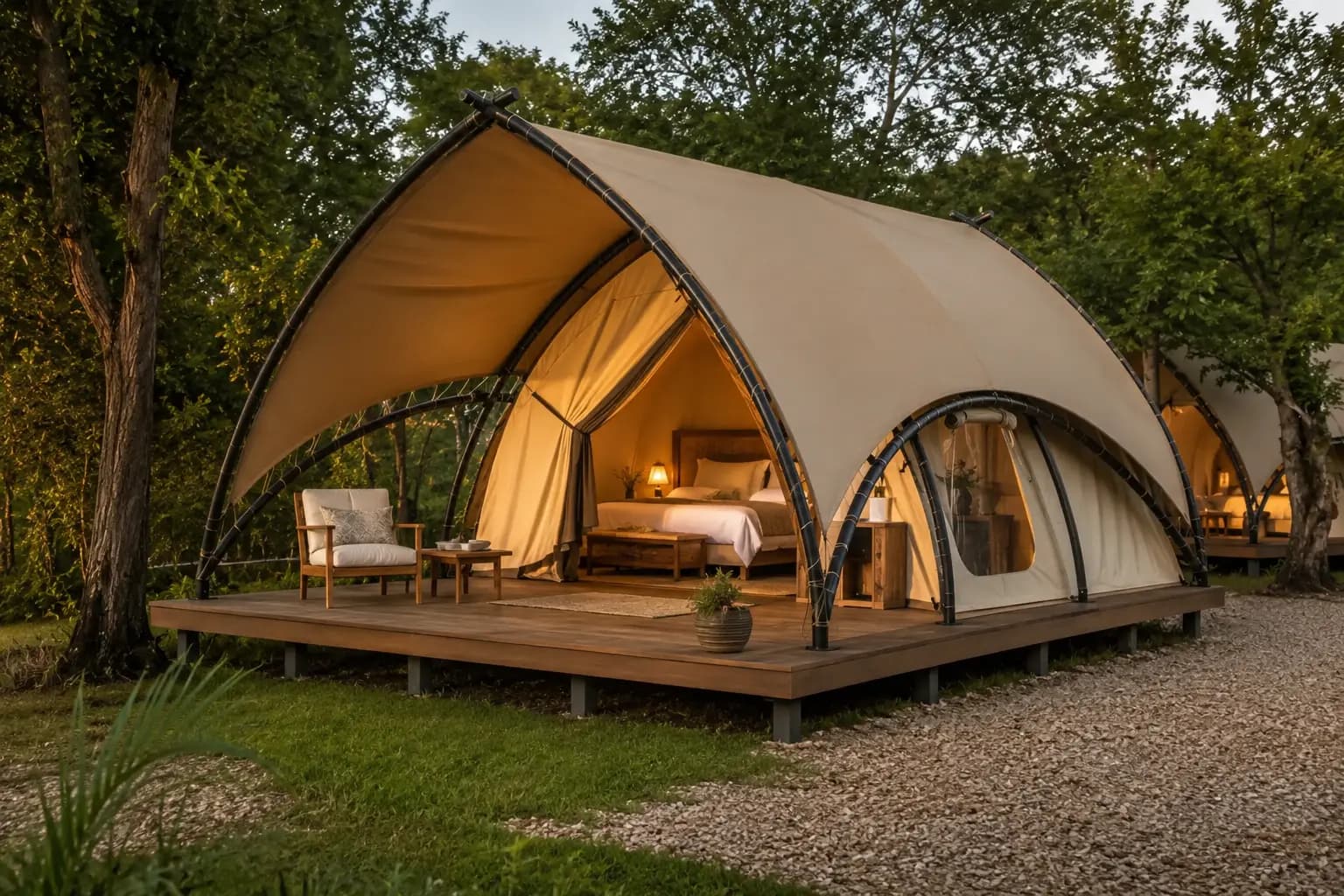
Choosing the right tent is one of the most important decisions when developing a resort, glamping property, eco-retreat, or camping business. The tent you choose affects guest comfort, room size, appearance, maintenance, cost, and the overall experience of your property.
Two popular choices for luxury resorts are the Luxury Swiss Tent and the Luxury Safari Tent. Both can create beautiful and comfortable accommodation, but they have different designs, layouts, and advantages.
So, Swiss Tent vs Safari Tent: which is better for your resort?
The answer depends on your location, resort concept, available land, budget, target guests, and the type of experience you want to offer.
In this guide, we compare Swiss tents and safari tents in simple terms. We will look at their design, space, weather performance, comfort, customization, maintenance, cost factors, and suitability for different types of resorts. We will also briefly explain where a Sail Tent can fit into an outdoor hospitality project.
What Is a Luxury Swiss Tent?
A Luxury Swiss Tent is a spacious tent accommodation designed to provide the comfort of a hotel room while keeping guests close to nature.
Swiss tents usually have a strong metal frame covered with weather-resistant fabric. They can include a bedroom, living area, attached bathroom, veranda, flooring, insulation, electrical fittings, windows, doors, and other hotel-style facilities.
The design gives the tent a clean and elegant appearance. Because of the large usable interior, Swiss tents work well for resorts that want to create premium accommodation without building a permanent concrete structure.
A well-designed Swiss tent can include:
Bedroom with a king-size or twin bed
Attached bathroom
Private veranda
Furniture and storage
Electrical points and lighting
Insulation for temperature control
Waterproof roofing and wall fabric
Customized doors and windows
The exact design depends on the manufacturer and project requirements.
For hill resorts, forest camps, and luxury glamping properties, Swiss tents can provide a good balance between appearance, comfort, and practical use.
What Is a Luxury Safari Tent?
A Luxury Safari Tent takes inspiration from traditional safari camps but adds modern hotel-style comfort.
Safari tents generally have a strong structural frame and fabric walls, creating a large and open interior. They are popular for resorts, wildlife camps, jungle properties, eco-retreats, and luxury camping destinations.
The main attraction of a safari tent is its natural outdoor feel. Large openings, wide windows, high ceilings, and spacious layouts can make the accommodation feel connected to the surrounding environment.
A luxury safari tent can be designed with:
Large sleeping area
Attached bathroom
Private deck or veranda
Large windows
Premium flooring
Hotel furniture
Insulated roof and walls
Electrical and lighting systems
Custom interior finishes
The final design can vary considerably. A manufacturer can adjust the dimensions, frame, fabric, interior layout, and amenities according to the resort's requirements.
Swiss Tent vs Safari Tent: Main Difference
The biggest difference between these two tent styles is their design language and guest experience.
A Swiss tent generally has a more structured cottage-style appearance. It can look similar to a small luxury room or cottage from the outside.
A safari tent usually has a more adventurous and nature-focused appearance. Its larger fabric surfaces, wide openings, and deck-style layouts create a strong connection with the outdoors.
Both can provide luxury accommodation. The right option depends on the identity of your resort.
For example, a property targeting families and couples may prefer a cottage-style Swiss tent with a comfortable veranda. A jungle or wildlife resort may prefer a safari-style design that creates a stronger camping experience.
Design and Appearance
Appearance matters a lot in hospitality. Guests often choose resorts based on photographs they see online.
A beautiful tent can become one of the strongest visual elements of your property. It can also improve your resort's photography, social media presence, and online listing appeal.
Swiss Tent Design
Swiss tents generally offer a neat and premium cottage appearance. You can add:
Front veranda
Large glass or fabric windows
Wooden-style flooring
Premium curtains
Decorative exterior elements
Customized roof designs
This makes them suitable for luxury resorts and family-friendly properties.
Safari Tent Design
Safari tents usually have a more adventurous and natural appearance. Their large roof and fabric walls create a classic luxury-camping look.
They work particularly well in:
Jungle resorts
Wildlife camps
Forest properties
Riverside camps
Eco-tourism projects
Adventure resorts
Both designs can be customized to match your brand and property theme.
Which Tent Offers More Space?
Space is an important factor when designing resort accommodation.
A Swiss tent can be manufactured in different sizes, allowing the owner to create a bedroom, bathroom, living area, and veranda according to the available space.
Safari tents can also provide large interiors, especially when the design includes a spacious bedroom and separate bathroom section.
Instead of asking only which tent is larger, consider how you want to use your available land.
For example, a resort may choose:
Swiss Tent: Bedroom + Bathroom + Private Veranda
Safari Tent: Bedroom + Bathroom + Large Deck
Both layouts can provide a premium guest experience when properly planned.
A professional manufacturer should study your land dimensions before finalizing the tent size.
Comfort and Guest Experience
Today's glamping guests expect more than a basic camping experience. They want comfortable beds, clean bathrooms, electricity, good lighting, privacy, and protection from weather.
Both Swiss and safari tents can provide these facilities.
A luxury tent can include:
Comfortable mattress
Premium bed and furniture
Attached bathroom
Hot water
Lighting
Charging points
Curtains
Insulated walls
Waterproof roofing
Private outdoor seating
The final comfort level depends more on the design, materials, insulation, flooring, ventilation, and interior fit-out than simply whether the tent is Swiss or safari style.
Weather Performance in Mountain and Outdoor Locations
Weather should be one of the first considerations when selecting a resort tent.
Properties in Himachal Pradesh, Uttarakhand, Kashmir, Rajasthan, Kerala, Karnataka, or other regions can face very different weather conditions.
A tent designed for a warm, dry location may need different specifications from one installed in a high-altitude mountain area.
For locations with heavy rain, strong winds, or cold weather, the manufacturer should consider:
Structural frame strength
Proper anchoring
Waterproof fabric
Roof slope
Drainage
Insulation
Ventilation
Wind exposure
Snow load where applicable
Site-specific installation requirements
A Luxury Swiss Tent and a Luxury Safari Tent can both be adapted for different climates, but the design must match the actual site conditions.
Do not select a tent only because it looks attractive in a catalogue. Ask the manufacturer about the frame, fabric, anchoring, insulation, drainage, and installation method.
Swiss Tent vs Safari Tent for Hill Resorts
Hill resorts have become an important market for luxury camping and glamping.
Locations such as Manali, Shimla, Kasol, Jibhi, Tirthan Valley, Dharamshala, Mussoorie, Rishikesh, Chopta, Auli, Mukteshwar, and other mountain destinations attract travellers looking for nature-based stays.
For these locations, the tent should provide:
Strong structural support
Protection from rain and cold
Good insulation
Proper drainage
Safe anchoring
Comfortable interiors
Easy maintenance
A Swiss tent can create a premium cottage-like resort environment, while a safari tent can create a stronger outdoor and adventure theme.
The best choice depends on the resort concept and site conditions.
Which Tent Is Better for Luxury Glamping?
Luxury glamping is not simply about putting a bed inside a tent. Guests expect a complete experience.
The accommodation should look attractive, feel comfortable, provide privacy, and fit naturally into the surrounding landscape.
Both tent types can work well for luxury glamping.
A Swiss tent may suit a resort that wants a polished, hotel-like appearance.
A safari tent may suit a property that wants a more natural, adventurous, and outdoor-focused identity.
Your target customers should also influence the decision.
For example, couples may appreciate a private veranda and romantic interior. Families may prefer more usable indoor space. Adventure travellers may value large outdoor decks and a stronger connection to nature.
What About a Sail Tent?
A Sail Tent is another type of outdoor structure that uses a fabric canopy to create a distinctive open-air environment.
Unlike a fully enclosed accommodation tent, a sail-style structure is often more suitable for common areas rather than guest bedrooms.
For example, you can use a sail tent concept for:
Outdoor dining
Restaurant seating
Poolside areas
Event spaces
Reception areas
Lounge areas
Outdoor activity spaces
A resort can combine different structures. For example, you could use Swiss tents for guest rooms, safari tents for premium accommodation, and a sail-style canopy for an outdoor restaurant.
This creates a complete resort environment rather than relying on one type of structure for every requirement.
Cost Factors You Should Consider
The price of a resort tent depends on much more than its basic fabric and frame.
The final project cost can be affected by:
Tent size
Number of tents
Frame material
Fabric specification
Flooring
Insulation
Bathroom construction
Electrical work
Furniture
Interior finishing
Veranda or deck
Transportation
Installation
Site conditions
Customization
Therefore, comparing only the basic price of a Swiss tent and safari tent may not give you an accurate project budget.
When requesting a quotation, provide the manufacturer with the complete project requirement. This allows them to prepare a more useful estimate.
Maintenance and Long-Term Use
Proper maintenance can help extend the useful life of outdoor accommodation.
Regular inspections should cover the fabric, frame, joints, anchors, roof, drainage, flooring, doors, windows, and electrical components.
Resort owners should also clean the fabric as recommended by the manufacturer and inspect the structure after severe weather.
A good maintenance routine can include:
Checking the frame and joints
Inspecting fabric for damage
Cleaning rainwater drainage areas
Checking anchors
Inspecting waterproofing
Checking doors and windows
Cleaning the interior regularly
The maintenance requirement will depend on the materials, climate, usage, and installation quality.
How to Choose the Right Tent for Your Resort
Before ordering a tent, first understand your project.
Ask yourself:
1. What type of resort are you developing?
A jungle resort may require a different design from a luxury mountain resort.
2. Who are your guests?
Families, couples, adventure travellers, corporate groups, and luxury travellers can have different expectations.
3. What is your location like?
Study rainfall, wind, temperature, terrain, drainage, accessibility, and seasonal conditions.
4. How much land do you have?
Your land area will affect tent size, spacing, pathways, parking, landscaping, and common facilities.
5. What amenities do you need?
Decide whether your tents need bathrooms, verandas, decks, air conditioning, heating, insulation, or other facilities.
6. What is your budget?
Set a complete project budget rather than looking only at the tent shell.
Why Work with an Experienced Tent Manufacturer?
A resort tent is more than fabric stretched over a frame. It is a complete accommodation structure.
An experienced manufacturer can help you understand the relationship between design, materials, structural strength, comfort, installation, and maintenance.
Resort Tent Creation, we manufacture different types of resort and glamping tents based on project requirements. Our product range includes Swiss tents, safari tents, luxury resort tents, glamping tents, dome tents, pagoda tents, and custom tent structures.
We work with hospitality businesses that want to create attractive outdoor accommodation while maintaining practical requirements such as durability, comfort, and easy maintenance.
Our team can support different stages of the project, including design discussion, material selection, manufacturing, transportation, and installation.
For resort owners, this approach can make project planning easier because the accommodation can be designed around the actual property instead of selecting a standard product without considering the site.
Swiss Tent vs Safari Tent: Which One Should You Choose?
There is no single tent that fits every resort.
A Luxury Swiss Tent can be a suitable choice when you want a refined cottage-style appearance, comfortable interiors, and a layout that works well for premium resort accommodation.
A Luxury Safari Tent can be suitable when you want an adventurous, natural, and spacious glamping experience with a strong connection to the surrounding landscape.
A Sail Tent can complement either option by providing attractive covered areas for dining, lounging, events, or other common activities.
The right decision should consider your location, climate, land, guest profile, resort concept, amenities, and total project budget.
Before making the final decision, discuss your site with an experienced tent manufacturer and request a design based on your actual requirements.
Build a Better Resort with the Right Tent Design
A successful resort starts with a good plan. The accommodation should look attractive, provide guest comfort, and work well with the natural surroundings.
Whether you choose a Swiss tent, safari tent, or a combination of different tent structures, focus on quality materials, structural design, weather protection, proper installation, and long-term maintenance.
At Resort Tent Creation, we help resort owners turn their ideas into practical tent accommodation. From a small glamping property to a complete tent resort, our team can help you explore suitable designs and customization options.
If you are planning a new resort or expanding an existing property, contact Resort Tent Creation to discuss your project requirements and find a tent design that fits your location and business plan.
Frequently Asked Questions
1. What is the difference between a Swiss tent and a safari tent?
A Swiss tent generally has a cottage-style design with a structured appearance, while a safari tent usually has a more open and adventurous camping-inspired design. Both can include bedrooms, bathrooms, furniture, electricity, insulation, and other modern facilities. The choice depends on your resort concept, available space, location, target guests, and required amenities.
2. Which is better for a luxury resort, Swiss tent or safari tent?
Both can work for luxury resorts. A Swiss tent can create a refined cottage-style accommodation, while a safari tent can create a more natural and adventurous glamping experience. The better option depends on your resort's design, location, guest requirements, available land, and budget. A professional manufacturer can help you compare layouts and materials before making the final decision.
3. Can Swiss and safari tents be used in mountain areas?
Yes, both types can be designed for mountain locations when the structure, fabric, anchoring, drainage, insulation, and installation are selected according to the site conditions. Mountain projects may face strong winds, heavy rain, cold temperatures, or snow, so the manufacturer should assess the location before finalizing the design.
4. Can I add an attached bathroom to a luxury tent?
Yes. Both Swiss tents and safari tents can be designed with attached bathrooms. The bathroom can include a shower, toilet, wash basin, hot-water system, ventilation, plumbing, and suitable flooring. The exact arrangement depends on the tent size, site layout, plumbing availability, and local project requirements.
5. How much does a luxury Swiss or safari tent cost?
There is no fixed price because the final cost depends on size, quantity, frame material, fabric, flooring, insulation, bathroom, furniture, veranda, interior finishing, transportation, installation, and customization. The most accurate way to get a quotation is to share your location, required tent size, number of units, and desired facilities with the manufacturer.